If your child has recently been diagnosed with epilepsy, managing their care at home may feel frightening and overwhelming. You may have more information than you know what to do with, including medication instructions, explanations of different seizures, and advice about keeping your child safe. Even if everything seemed clear during your appointment with your child’s doctor, it’s typical to get home and realize you still have questions.
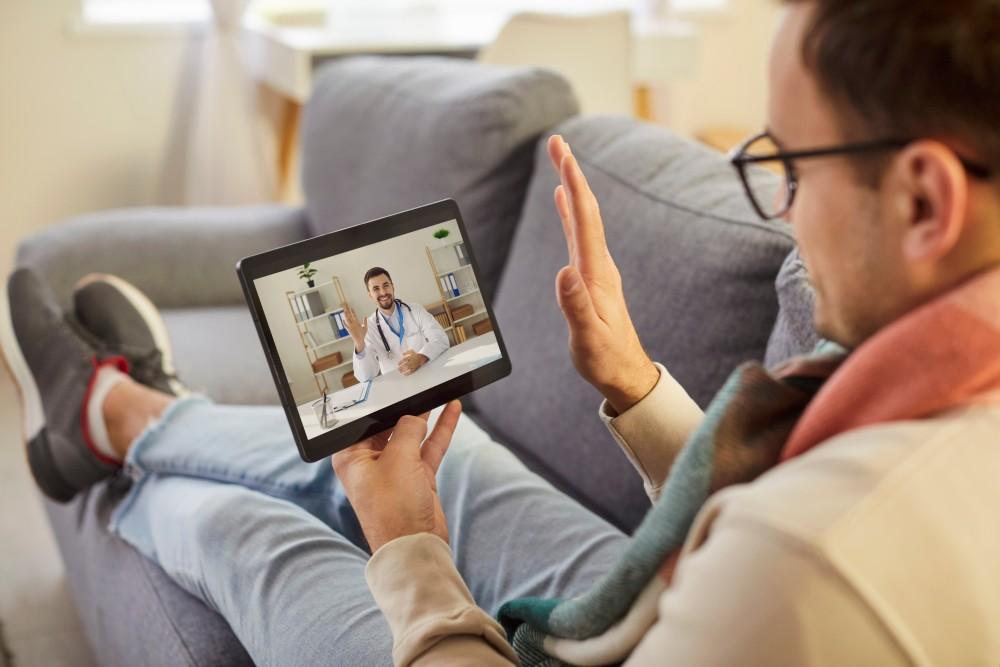
That’s one reason Dr. Henry Hasson, a pediatric neurologist in Brooklyn, New York, offers telemedicine. Parents shouldn’t have to rearrange their entire day for a concern that can be addressed through a remote consultation. A question about medication, a follow-up discussion, or an explanation of test results can often be handled without bringing your child into the office.
Having that access can make caring for a child with epilepsy feel less daunting. Through telemedicine, Dr. Hasson can assess many concerns remotely and determine when an in-person test, such as an EEG, is needed. Here’s how this approach can help you manage your child’s epilepsy from home.
How epilepsy care works through telemedicine
A telemedicine appointment allows you and your child to meet with Dr. Hasson by video. Much of the discussion is the same as it would be in the office: you describe what has happened since the last appointment, review treatment, and raise any concerns about your child’s health.
This works well for many epilepsy visits because your observations are an important part of the assessment. Seizures rarely happen during an appointment, so specialists rely on descriptions of episodes and information about how a child is doing between visits. During a video session, Dr. Hasson can observe your child’s interactions and behavior.
For families who live far from the office or need regular appointments, being able to have these discussions remotely can save considerable travel time.
Understanding what to do if your child has a seizure
Knowing how to respond to a seizure is an essential part of caring for your child at home. You should have a written seizure action plan (SAP) that explains your child’s usual seizures, the steps to take, and when emergency help is needed. If rescue medication has been prescribed, the plan should state exactly when and how to give it.
Telemedicine offers a chance to review this plan and talk through anything you don’t understand. You may need clarification about when to use rescue medicine or what recovery usually looks like for your child. Asking those questions before another seizure happens can help you respond with more confidence.
Make sure the adults responsible for your child, including school staff and other caregivers, have the current instructions. When medication or instructions change, update their copies so everyone knows what to do.
Keeping track of seizures helps guide treatment
Write down when an episode occurs, how long it lasted, what your child was doing, and what you noticed during and after it. For example, did they respond when you spoke to them? Were there unusual movements? How long did it take for them to return to their usual behavior? You can also note illness, missed medication, or changes in sleep.
These details help Dr. Hasson assess whether seizures are becoming more frequent, whether their appearance has changed, and whether treatment seems to be helping. A notebook or notes on your phone are fine; the record simply needs to be something you can maintain and share.
A video of an episode can provide useful information, too, but your child’s safety comes first. If it is possible to have a bystander record an event that can be very helpful to the doctor. A video is worth a thousand words. However, recording should never interfere with seizure first aid, prescribed rescue treatment, or calling for help.
When your child needs care in person
Depending on your child’s symptoms, Dr. Hasson may recommend in-person blood work, or an EEG to record the brain’s electrical activity. His practice offers in-office EEG testing and portable equipment for home testing when appropriate, allowing some evaluations to take place in familiar surroundings. He also now offers wireless EEG technology, the latest in home EEG monitoring that is more comfortable and can be worn for several days when needed.
It is also important to distinguish a question that can wait for an appointment from an emergency. Follow your child’s seizure action plan and call 911 if a seizure lasts longer than five minutes, seizures repeat without recovery, your child has trouble breathing or waking afterward, or a seizure causes serious injury or occurs in water. A first-time seizure also needs emergency attention. Following up after the first seizure should not require a 3-months wait or even a 1-month wait. Dr. Hasson offers urgent appointments to patients with seizures.
If you have questions about your child’s epilepsy or need to review how treatment is going, a telemedicine appointment allows you to discuss those concerns from home. Request one online or call our office to discuss your child’s care with Dr. Hasson. If your child needs testing or an in-person examination, he’ll explain why and help you arrange the next steps.